

Hire Software Developers in India

Build new software, strengthen an existing product, modernize legacy applications, or add the engineering expertise your roadmap needs.

Pavans Group is a software product development and technology company based in Vadodara, India. Our software development capabilities span frontend, backend, full-stack development, APIs, databases, custom software, SaaS products, enterprise applications, cloud infrastructure, integrations, QA, mobile, AI, and IoT.

From there, the right software developers, supporting specialists, and development structure can be identified around the actual product.

Tell us what you're building.

By submitting you agree to our Privacy Policy.

15+Years Experience
500+Projects
200+Clients
50+In-House Experts
60%Repeat Clients
98%Client Retention

What can you hire Software Developers for?

Software developers can help you create new applications, extend existing products, develop APIs and integrations, modernize legacy systems, build SaaS and enterprise platforms, automate business workflows, improve application performance, and strengthen specific areas of an existing engineering team.

The right combination depends on your architecture, product stage, technical stack, existing team, and business requirements.

Find the right Software Developers for your project

A developer who is ideal for a customer-facing React application may not be the right person to redesign a complex backend architecture. An engineer experienced with API integrations may solve a different problem from someone responsible for end-to-end product functionality.

“Software developer” is a broad role.

Instead of treating all software developers as interchangeable, identify the engineering responsibility first.

Hire Full-Stack Developers

Full-stack developers work across both the user-facing and server-side layers of an application.

They can be particularly useful when product functionality regularly crosses interfaces, application logic, APIs, databases, and integrations.

What Can Full-Stack Developers Work On?

SaaS applicationsCustom business applicationsMVPsCustomer portalsAdministration platformsInternal business systemsProduct feature developmentAPI-driven applicationsExisting application enhancements

When Should You Consider Full-Stack Developers?

Full-stack expertise is useful when one developer or engineering role needs to understand how functionality moves through several parts of the application.

For example, adding a customer account feature may involve:

Frontend interface → API → authentication → application logic → database → notifications

A developer capable of understanding that entire flow can reduce unnecessary handoffs.

When Specialists May Be Better

For larger applications, highly complex systems, or teams with clearly separated responsibilities, dedicated frontend and backend specialists may still be preferable.

The correct structure depends on the product rather than assuming full-stack is always better.

Explore the Hire Full-Stack Developers

Hire Backend Developers

Backend developers build and maintain the systems that power an application behind its interface.

Their work determines how business rules are executed, information is stored, users are authenticated, systems communicate, and application functionality is delivered reliably.

Backend Development Responsibilities

Backend developers can contribute to:

Server-side application logicREST APIsGraphQL APIsAuthenticationAuthorizationDatabase operationsBackground processingThird-party integrationsPayment integrationsBusiness workflowsData processingApplication performanceBackend security

When Backend Expertise Becomes Critical

Backend engineering becomes increasingly important when your software:

Contains complex business rulesConnects with several external systemsProcesses significant amounts of dataSupports multiple frontend or mobile applicationsRequires real-time functionalityContains complex permissionsNeeds better application performanceHas outgrown its existing architecture
Backend Problems Are Often System Problems

A slow application is not automatically a frontend problem.

The underlying cause may be database queries, API design, application logic, infrastructure, caching, or inefficient integrations.

A useful technical assessment should identify the bottleneck before deciding what needs to be rebuilt.

Explore the Hire Backend Developers

Hire Frontend Developers

Frontend developers build the software interfaces through which users interact with your application.

That can include public-facing products as well as complex internal systems used by employees, administrators, partners, or customers.

Frontend Developers Can Build

SaaS dashboardsCustomer portalsBusiness applicationsAdministration systemsData dashboardsInteractive web applicationsInternal software interfacesEnterprise portalsSelf-service platforms

Frontend Engineering Goes Beyond Visual Design

A production-ready frontend also needs to account for:

Component architectureResponsive behaviorApplication stateAPI integrationLoading statesError handlingAccessibilityBrowser compatibilityPerformanceMaintainabilityUser experience
Frontend and Backend Should Be Designed Together

Complex applications work better when frontend and backend teams agree on data structures, permissions, validation, API behavior, error responses, and application workflows early.

That reduces unnecessary rework later.

Explore the Hire Frontend Developers

Hire API Developers

Modern software rarely operates independently.

Applications frequently need to communicate with CRMs, ERP systems, payment gateways, mobile applications, eCommerce platforms, logistics providers, accounting systems, communication tools, or other internal software.

API developers design the technical connections that make those systems work together.

API Development Can Include

REST APIsGraphQL APIsInternal APIsThird-party API integrationsPayment integrationsAuthentication APIsWebhooksData synchronizationService-to-service communicationMobile application APIsIntegration middlewareAPI documentation

Good APIs Need More Than Working Endpoints

Production APIs should also account for:

AuthenticationAuthorizationValidationError handlingRate limitsPerformanceLoggingReliabilityVersioningDocumentationSecurity
Integration Requirements Should Be Identified Early

A third-party integration discovered late can change the database model, workflow, permissions, and application architecture.

For integration-heavy products, APIs should be considered during technical planning rather than after the core application is already complete.

Explore the Hire API Developers

Hire Software Developers based on what you're building

Developer roles are only one way to define your requirement. For many businesses, the better starting point is the software itself.

What you are building often determines the combination of engineering expertise you need.

Custom software is designed around the workflows, users, data, integrations, and operational requirements of a specific organization.

It becomes relevant when off-the-shelf products cannot adequately support how the business actually operates.

Internal business applicationsWorkflow management systemsCustomer portalsAdministration systemsOperational platformsManagement systemsReporting applicationsProcess automationIntegration platformsData-management systemsCustom dashboardsBusiness-specific tools

Custom development may be appropriate when existing products:

Require excessive manual workaroundsCannot accommodate important workflowsDo not integrate with your existing systemsCreate duplicate data entryLimit visibility across the businessPrevent future product developmentCannot support specific user rolesCreate ongoing operational inefficiencies

If an existing product already solves the problem effectively, building custom software can add unnecessary cost and maintenance.

The strongest custom-software opportunities are situations where the business requirement genuinely creates a need for a tailored system.

Explore the Hire Custom Software Developers

SaaS applications are continuously evolving products rather than one-time software deliveries.

Developers need to consider not only features, but also how users, accounts, subscriptions, permissions, integrations, infrastructure, and data operate together.

User authenticationCustomer accountsRole-based permissionsSubscription workflowsPayment integrationsCustomer dashboardsAdministration panelsNotificationsREST and GraphQL APIsReportingProduct analyticsThird-party integrationsCloud infrastructureMulti-tenant application architecture

Early SaaS development requires balance.

Overengineering the first release wastes time and budget.

Underengineering it can create structural problems immediately after customers begin using the product.

The architecture should support the current product while allowing realistic growth in users, features, integrations, and data.

Depending on the product, a SaaS team may require:

Frontend + Backend + API + Database + Cloud + QA

Some products need fewer roles.

Others may require additional UI/UX, DevOps, AI, mobile, or architecture expertise.

Explore the Hire SaaS Developers

Product development is different from completing isolated programming assignments.

Product developers need enough context to understand how technical decisions affect users, future functionality, architecture, integrations, and the roadmap.

Application architectureNew feature developmentExisting feature enhancementAPI developmentDatabase designIntegrationsProduct modernizationPerformance improvementsTechnical debt reductionIterative releasesProduction improvementsScalability work

A feature can meet its specification and still create problems for the wider product.

For example, a shortcut that speeds up one release might make future integrations difficult.

Developers working on long-term products need to consider those trade-offs.

Explore the Hire Product Developers

Enterprise software frequently operates inside a larger technical and organizational environment.

A new system may need to support several departments, different permissions, existing databases, legacy applications, compliance requirements, and established business processes.

Enterprise applicationsInternal business systemsERP-related applicationsOperational dashboardsEnterprise portalsWorkflow platformsBusiness automationReporting systemsCRM integrationsERP integrationsData migrationAuthentication systemsLegacy modernization

A new application may need to communicate with:

ERPCRMAccounting softwareInventory systemsExisting databasesAuthentication providersReporting platformsInternal APIsThird-party platforms

Those dependencies should influence architecture from the beginning.

Enterprise modernization is safer when developers first understand the current software, data flows, integrations, business rules, and operational dependencies.

Rebuilding without that understanding can replace technical debt with new technical debt.

Explore the Hire Enterprise Software Developers

Quality assurance is not simply a final check before release.

For products with multiple workflows, APIs, integrations, devices, browsers, or frequent releases, testing needs to be part of the development process.

Functional testingAPI testingIntegration testingBrowser testingDevice testingDatabase testingPerformance testingSecurity testingRegression testingScalability testingRelease verification

Dedicated quality engineering can be especially useful when:

Releases happen frequentlySeveral developers contribute simultaneouslyBusiness workflows are complexAPIs connect multiple systemsBugs could interrupt operationsRegression risk is highPerformance is business-critical

Explore the Hire QA Engineers

Some software problems cannot be solved simply by adding more development capacity.

The application may need architectural analysis before additional development begins.

A product has outgrown its original architectureMultiple systems need to be integratedPerformance problems persistLegacy technology limits developmentTechnical debt is slowing releasesCloud migration is requiredApplication boundaries need redesignScalability needs have changedSeveral development teams need technical alignment

Database architecture, service boundaries, APIs, security, infrastructure, and technology choices can affect years of future development.

Complex architectural decisions should therefore be evaluated beyond the immediate feature being built.

Explore the Hire Software Architects

Real Software Products Built by Pavans Group

The strongest reason to evaluate a software development team is not a list of technologies.

It is evidence that the team has solved real product and engineering problems.

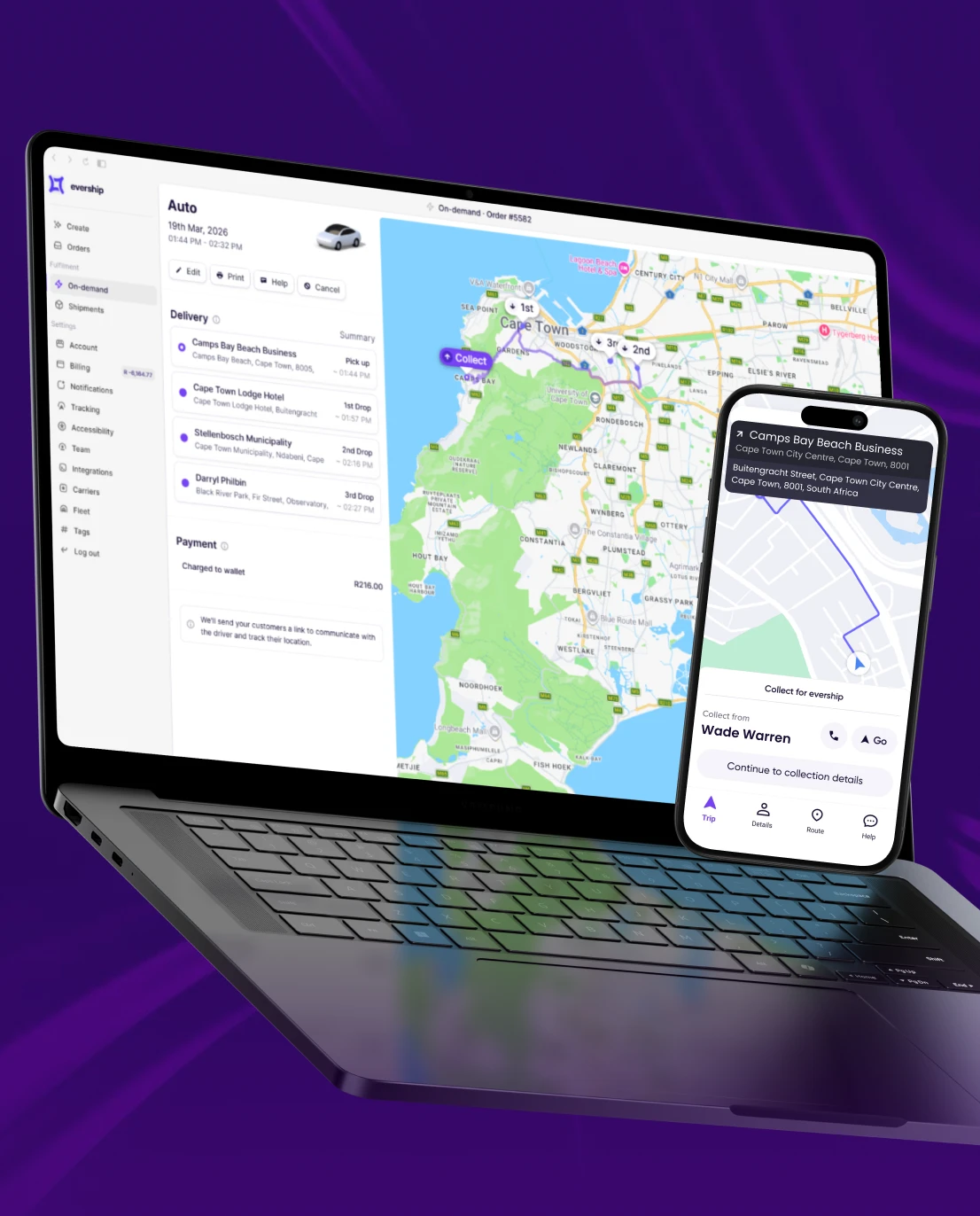
Evership product screenshot

Evership - Shipping & Fulfilment Automation Platform

Evership demonstrates how software engineering, integrations, workflows, dashboards, and operational automation can come together inside a logistics-focused SaaS product.

The platform centralizes shipping operations and connects internal and external delivery capabilities.

Engineering Scope Includes

  • Shipping automation
  • Multi-carrier workflows
  • Driver management
  • API infrastructure
  • Operational dashboards
  • eCommerce-focused workflows
  • Order synchronization
  • Proof-of-delivery processes
Verified Case-Study Outcomes

The Pavans Group case study reports:

1.2K+Registered users
500Registered companies
1.6K+Active drivers
33K+Completed deliveries
170K+Total drops

Explore: Evership Case Study

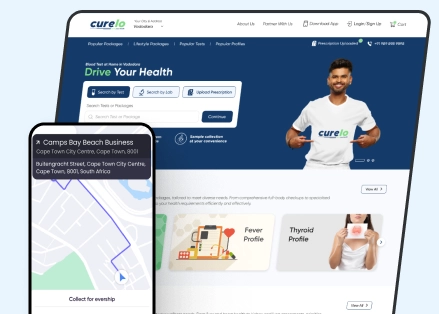
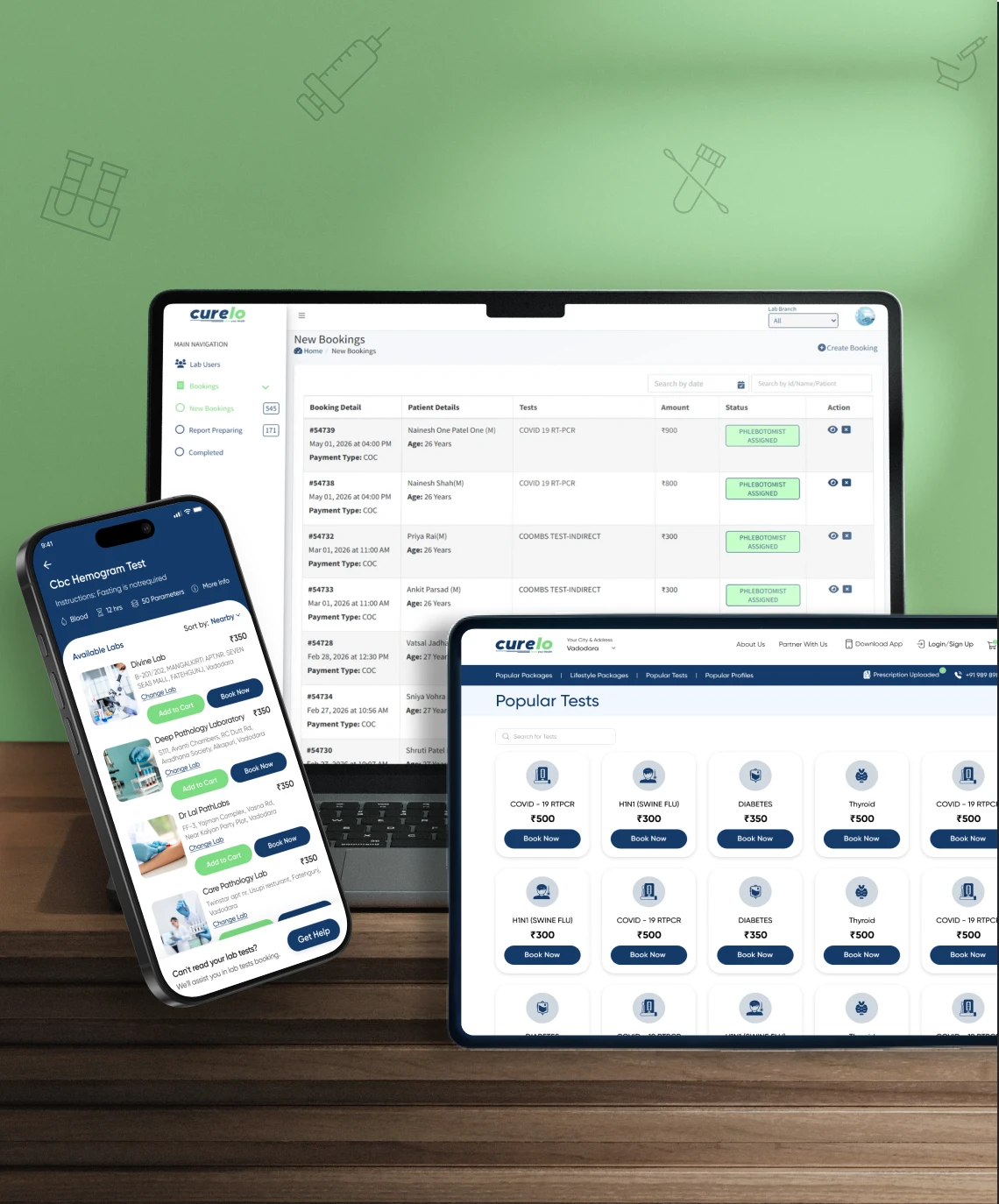
Curelo product screenshot

Curelo - Scalable Healthcare Booking Ecosystem

Curelo needed a digital platform capable of coordinating patients, diagnostic laboratories, bookings, payments, reports, and sample collection across multiple cities.

Pavans Group developed an integrated ecosystem covering web and mobile experiences together with a dedicated phlebotomist application.

Engineering Scope Included

  • Web and mobile product development
  • Booking workflows
  • Backend APIs
  • Database optimization
  • Razorpay integration
  • Role-based access
  • Real-time booking
  • Digital reports
  • Cloud-based backend
  • Testing and deployment
Verified Case-Study Outcomes

The Pavans Group case study reports:

1,500+Labs onboarded
5,000+Diagnostic tests
350,000+Orders processed
12+Cities

Explore: Curelo Case Study

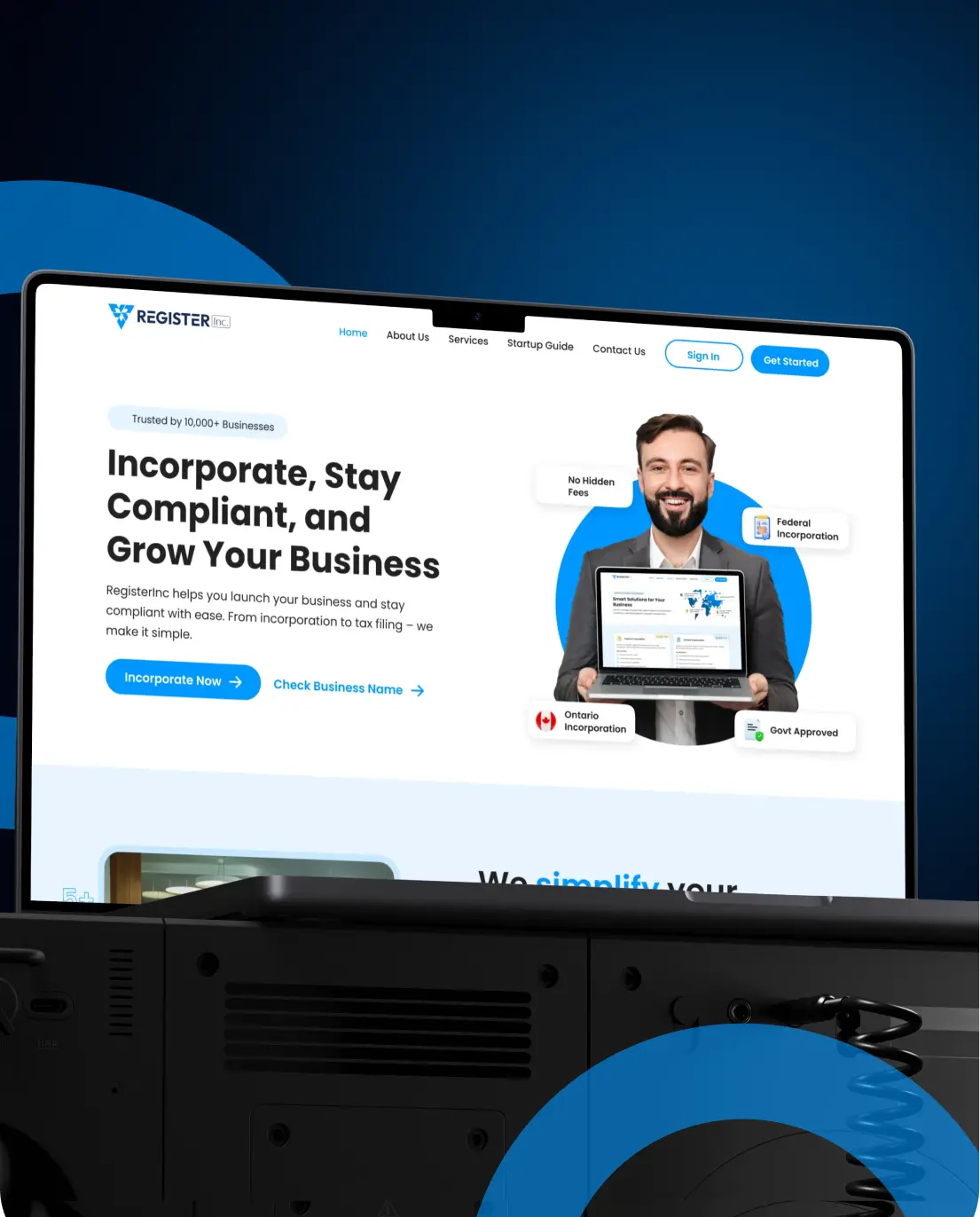
RegisterINC product screenshot

RegisterINC - Business Registration Platform

RegisterINC demonstrates software development around structured workflows, secure customer accounts, document submission, payments, and administration.

Platform Capabilities Include

  • Customer dashboard
  • Order management
  • Status tracking
  • Guided forms
  • Document uploads
  • Digital signatures
  • Secure payments
  • Administrative workflows

Explore: RegisterINC Case Study

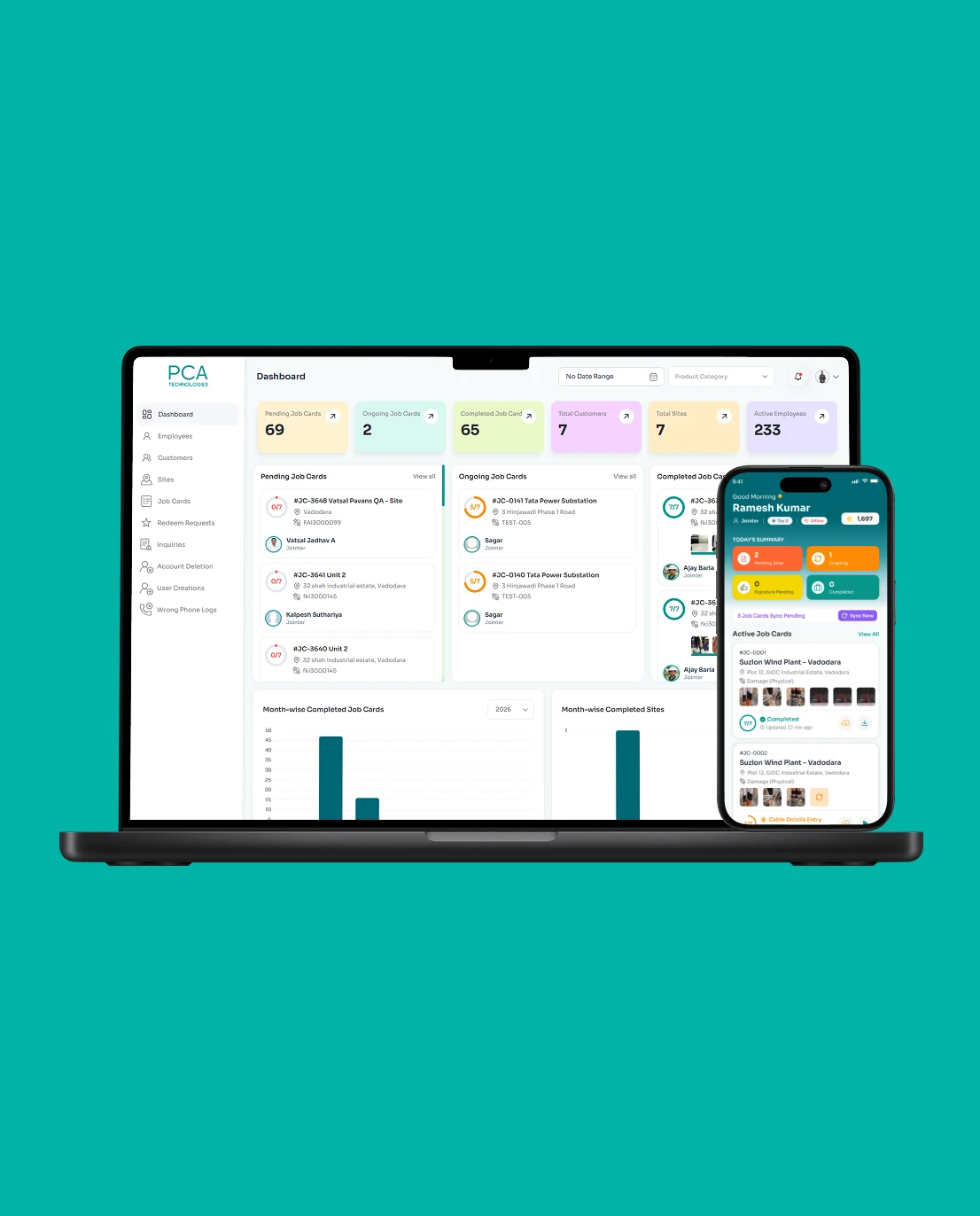
PCA product screenshot

PCA - Field Operations Management Platform

PCA demonstrates software designed around operational workflows rather than generic functionality.

Platform Capabilities Include

  • Site management
  • Employee management
  • Customer management
  • Job-card workflows
  • Administration
  • Dashboards
  • Analytics
  • Report generation
  • Field operations management

Explore: PCA Case Study

What can Pavans Group Software developers build?

Software development needs vary from an internal workflow application to a large customer-facing platform.

The following are examples of software categories supported by Pavans Group's documented development capabilities.

Custom Business Applications

Build software around business processes that cannot be effectively handled by generic systems.

Examples can include:

Operations softwareWorkflow automationAdministration systemsInternal portalsManagement applicationsReporting systemsData-management platforms

SaaS Platforms

Develop cloud-based software products with user accounts, permissions, dashboards, subscriptions, APIs, integrations, and scalable infrastructure.

Enterprise Applications

Build internal or customer-facing enterprise platforms that support multiple roles, complex workflows, integrations, data, and long application lifecycles.

Customer & Partner Portals

Create self-service applications where customers, partners, vendors, employees, or other stakeholders can access information and complete business workflows.

Dashboards & Reporting Systems

Turn operational data into usable information through dashboards, reports, analytics interfaces, and management views.

Workflow Automation Software

Replace repetitive manual processes with structured digital workflows, approvals, notifications, integrations, and data synchronization.

API-Driven Applications

Build applications where web, mobile, partner systems, and third-party services communicate through secure APIs.

Cloud-Based Software

Develop software using scalable cloud infrastructure where performance, availability, deployment automation, and future growth are important considerations.

Legacy Application Modernization

Upgrade older applications through incremental modernization, architecture improvements, technology replacement, API development, database work, or interface redevelopment.

AI-Enabled Software Products

Where the use case warrants it, existing software can be extended with AI capabilities such as automation, intelligent workflows, analytics, recommendations, chat-based interfaces, or other AI-enabled functionality.

AI should solve a defined product or business problem rather than being added simply because it is available.

Hire Software Developers for every stage of your product

The developers you need depend heavily on where the software is in its lifecycle.

  • Stage 1 - Building a New Product

    A new product requires early decisions around:

    Application architectureTechnology stackDatabaseAPIsAuthenticationSecurityInfrastructureDeploymentIntegrationsFuture scalability

    What Matters Most?

    The objective is to build enough architecture for the product you actually need without creating unnecessary complexity.

  • Stage 2 - Extending an Existing Product

    Developers joining an existing application need to understand what is already there.

    That Includes

    Existing codebaseArchitectureDatabaseAPIsCoding standardsInfrastructureIntegrationsBacklogTechnical documentationDeployment processes
    Protect Existing Functionality

    New development should improve the product without unnecessarily destabilizing working features.

    Understanding dependencies before modifying them reduces regression and integration risk.

  • Stage 3 - Modernizing Legacy Software

    Older software can gradually become difficult to maintain, secure, integrate, and extend.

    Modernization May Include

    Updating outdated technologiesReworking selected componentsImproving APIsModernizing interfacesRefactoring backend systemsMigrating databasesImproving infrastructureReducing technical debtAdding integrations
    Modernization Does Not Always Require a Complete Rewrite

    For business-critical applications, phased modernization can sometimes reduce disruption and risk compared with replacing everything at once.

  • Stage 4 - Scaling a Growing Product

    As a product grows, engineering priorities may move from feature delivery toward performance, reliability, infrastructure, and architecture.

    Scaling Work Can Include

    Performance optimizationDatabase optimizationInfrastructure changesCachingAPI improvementsMonitoringDeployment automationArchitecture changesReliability improvementsSecurity
    Diagnose Before Adding Developers

    If architecture is the real constraint, adding more developers may increase activity without increasing delivery speed.

    Identify the bottleneck first.

Software Technology Stack

Pavans Group follows a technology-agnostic approach: technology should be selected according to project requirements, scalability, performance, security, integrations, and long-term maintainability rather than forcing every product into the same stack.

  • Frontend Technologies

    React Vue.js Next.js JavaScript TypeScript

    Common Uses

    Frontend technologies can support:

    SaaS applicationsDashboardsCustomer PortalsEnterprise InterfacesInternal ApplicationsInteractive Web Products
  • Backend Technologies

    Node.js Python Django Laravel PHP .NET API interface

    Common Uses

    Backend technologies can support:

    Application logicAPIsAuthenticationBusiness WorkflowsIntegrationsData ProcessingServer-Side ApplicationsSaaS Platforms
  • Database Technologies

    PostgreSQL MySQL MongoDB SQLite Redis Elasticsearch

    How Should a Database Be Selected?

    Database decisions should consider:

    Data modelQuery PatternsReportingPerformanceRelationshipsSearch RequirementsReliabilityExpected ScaleIntegrations
  • Cloud & DevOps

    AWS Google Cloud Firebase Docker Kubernetes

    Cloud Engineering Can Include

    Production environmentsDeployment PipelinesContainerizationInfrastructure ConfigurationMonitoringBackupsSecurity HardeningPerformance Optimization

How do you know which Software Developer you need?

Use the engineering problem as the starting point.

Your Requirement Developer / Expertise to Consider
Build across frontend and backendFull-Stack Developer
APIs, databases, authentication, business logicBackend Developer
Application interfaces and dashboardsFrontend Developer
Connect applications and third-party systemsAPI Developer
Build software around unique workflowsCustom Software Developer
Develop a subscription software platformSaaS Developer
Continuously evolve a digital productProduct Developer
Work inside complex enterprise environmentsEnterprise Software Developer
Improve release quality and regression coverageQA Engineer
Solve architecture/scalability problemsSoftware Architect / Senior Engineering Expertise

This is a starting point, not a rigid staffing rule.
Complex products frequently require several capabilities working together.

Build the Software team around the requirement

The correct team depends on the software, architecture, current team, delivery stage, and complexity.

  • SaaS Product

    Possible Engineering Mix

    Frontend+Backend+API+Database+QA+Cloud
    Frontend
    Backend
    API
    Database
    QA
    Cloud

    Why?

    A SaaS product may need customer-facing functionality, authentication, application logic, integrations, subscription workflows, database design, testing, and scalable deployment.

  • Customer Portal

    Possible Engineering Mix

    Frontend+Backend+API+Database+QA
    Frontend
    Backend
    API
    Database
    QA
    Cloud

    Why?

    The portal may need to authenticate users, retrieve information from internal systems, support transactions or workflows, and present data through a usable interface.

  • Enterprise Integration

    Possible Engineering Mix

    Backend+API+Database+QA
    Frontend
    Backend
    API
    Database
    QA
    Cloud

    Why?

    Integration projects often depend more heavily on data structures, authentication, API behavior, error handling, and system reliability than visual development.

  • Existing Product With a Frontend Bottleneck

    Possible Engineering Mix

    Frontend
    Frontend
    Backend
    API
    Database
    QA
    Cloud

    Why?

    If backend capability already exists internally, adding an entire development team would be unnecessary.

    The best structure fills the actual capability gap.

Engagement models for Software Development

Different projects require different working arrangements.
The correct engagement model depends on whether you are filling an engineering gap, building a complete product, or continuing development over a longer roadmap.

01

Dedicated Development Team

A dedicated team can be appropriate for ongoing development requirements where several technical disciplines need to work around the same product roadmap.

A team may combine development with supporting expertise such as QA, UI/UX, cloud, or project coordination according to the product requirement.

02

Project-Based Software Development

Project delivery can be appropriate when the scope, business objective, deliverables, and broader ownership are defined around a complete software initiative.

If your primary requirement is for Pavans Group to take responsibility for delivering the complete software solution rather than adding development capacity, explore our Software Development Services.

03

Ongoing Product Development

Existing products often need continuous development after launch.

Ongoing work can include:

New featuresIntegrationsPerformance improvementsModernizationBug fixesInfrastructure changesSecurity updatesProduct iteration

The appropriate structure depends on the ongoing roadmap and responsibilities.

Working With Your Existing Engineering Team

External development capacity creates the most value when it becomes part of one engineering process rather than a disconnected parallel team.

  • Align Responsibilities Before Development Starts

    Define:

    Which application areas each team ownsWho approves architecture decisionsWho reviews changesHow QA worksHow issues are prioritizedHow releases are approvedHow production access is controlled
  • Use a Shared Development Workflow

    Collaboration may involve:

    Source-control workflowsIssue trackingSprint planningTechnical reviewsCode reviewQA coordinationDocumentationRelease planning

    Avoid Black-Box Development

    The client should be able to understand progress, decisions, risks, and what has actually been built.

    Visibility during development is more useful than receiving a surprise at the end.

How Pavans Group Approaches
Software Development

The strongest development process is transparent enough for the client to understand what is happening and flexible enough to respond to new information.

Pavans Group's documented software-development process uses Agile delivery with two-week sprints, sprint planning, working-software demonstrations, review cycles, QA, and production deployment.

01 / 07

Requirement Discovery

Start by understanding:

The business problemProduct usersExisting systemsRequired workflowsCurrent architectureImportant integrationsBusiness constraintsExpected outcomes

A clear requirement reduces expensive assumptions later.

02 / 07

Technical Assessment & Architecture

Evaluate:

Application architectureTechnology stackDatabase requirementsIntegrationsInfrastructureSecurityScalabilityExisting technical constraints

Why This Step Matters

The correct technical approach cannot always be selected from a feature list alone.

Architecture needs to account for how the software will operate in the real business environment.

03 / 07

Development Planning

Break the work into logical priorities and development increments.

Define responsibilities, dependencies, acceptance criteria, and what needs to be demonstrated during each development cycle.

04 / 07

Agile Development in Sprints

Development progresses through iterative sprints rather than waiting until the end of a long project to show working software.

Benefits of Iterative Delivery

Earlier visibilityFaster feedbackEasier priority changesReduced requirement ambiguityEarlier identification of technical risks
05 / 07

Quality Assurance

Testing can cover:

Automated unit testsAPI testingIntegration testingBrowser testingDatabase testingPerformance testingSecurity testingScalability testing

Testing depth should reflect the risk and complexity of the application.

06 / 07

Deployment & Production Readiness

Production deployment can involve:

Infrastructure configurationServer setupCI/CDMonitoringBackupsPerformance optimizationProduction security hardening
07 / 07

Documentation, Handover & Support

Technical delivery should not leave the customer dependent on undocumented knowledge.

Relevant handover can include technical documentation, deployment information, administrative guidance, and post-launch support according to the engagement.

Security, Confidentiality & Code Ownership

External software development should establish technical and commercial boundaries clearly before developers begin accessing business-critical systems.

  • 01

    NDA & Confidential Information

    Pavans Group's current industry information states that projects begin with NDA protection.

    Sensitive product information, business documentation, customer data, and technical information should be covered by the agreed confidentiality framework.

  • 02

    Security by Design

    Pavans Group's software-development practices currently reference:

    OWASP-aligned developmentEncryption at rest and in transitRole-based access controlsSecurity testingProduction security hardeningRegular security audits

    Security requirements should still be adapted to the actual application and industry.

  • 03

    Repository & Environment Access

    Developers should have the permissions required for their responsibilities without unnecessarily broad access.

    Where appropriate:

    Development → Staging → Production

    should use separate environments and controls.

  • 04

    Code Ownership & Vendor Lock-In

    Pavans Group's existing software-development proposition emphasizes client ownership of source code, database schemas, deployment scripts, and technical documentation.

    A software partner should make it possible for the client to understand, maintain, and continue developing the system rather than depending on proprietary lock-in.

Why hire Software Developers from Pavans Group?

A meaningful answer should be based on how software is actually designed, developed, tested, and delivered-not generic claims about having the “best developers.”

Software Engineering Beyond a Single Technology

Modern applications combine several technical layers.

Pavans Group's documented software stack spans frontend, backend, APIs, SQL and NoSQL databases, cloud infrastructure, DevOps, mobile, AI, and IoT.

That makes it possible to evaluate the product as a connected technical system rather than treating each technology in isolation.

Real Product Development Experience

Pavans Group's portfolio includes healthcare platforms, logistics and fulfilment systems, lending applications, HR systems, field-operations platforms, business-registration applications, tax software, mobile products, social applications, and other digital products.

Real product work provides stronger evidence than generic capability statements.

Transparent Development Process

Pavans Group's existing software-development process emphasizes:

Agile developmentTwo-week sprintsSprint planningWorking-software demonstrationsReview meetingsShared project visibilityQAProduction deployment

No Black-Box Development

Customers should understand:

what is being built → what is complete → what decisions were made → what risks remain → what happens next

Quality Is Part of Engineering

Testing can include:

Unit testingAPI testingIntegration testingSecurity testingPerformance testingBrowser testingDatabase testingScalability testing

Quality should be built into the development workflow rather than added only before launch.

Client Ownership of the Software

Pavans Group's existing software proposition emphasizes handover of source code, database schemas, deployment scripts, and technical documentation.

That helps reduce vendor lock-in and gives customers greater long-term control over their software.

Security Considered Throughout Development

Current Pavans Group software-development practices reference OWASP-aligned development, role-based permissions, encryption, security testing, infrastructure hardening, and access control.

Security requirements should still be adapted to the specific application, industry, and data involved.

Experience Across 14 Industry Categories

Industry knowledge becomes particularly useful when application functionality depends heavily on operational workflows, integrations, terminology, security, or user behavior.

Pavans Group currently works across industries including logistics, healthcare, finance, manufacturing, retail, education, real estate, travel, and others.

Hire Software Developers across 14 industries

The same programming language can be used in completely different business environments.

What changes is the workflow, user behavior, integrations, data, operational constraints, security expectations, and product logic.

Pavans Group currently presents software and digital-product expertise across 14 industry categories.

How much does it cost to hire Software Developers?

There is no useful universal price for software development expertise.

Two developers using the same language can be responsible for very different levels of complexity.

Software Developer Cost Depends On

Hire Software Developers vs Other Development options

The right option depends on how much engineering ownership already exists inside your organization.

Situation Consider
Existing team has one clear capability gapAdd specialist development expertise
Product requires several ongoing engineering disciplinesDedicated development team
You want direct control over an internal long-term roleIn-house hiring
Small isolated task with limited dependency riskFreelancer may be sufficient
Pavans Group should own broader product deliverySoftware Development Services
Existing product needs continuous enhancementOngoing product development
  • Hire Developers vs End-to-End Software Development

    The distinction is primarily ownership.

    Hire / team-capacity intent:

    You already have some degree of product or engineering ownership and need additional expertise.

    End-to-end development intent:

    You want Pavans Group to take broader responsibility for planning, development, QA, deployment, and delivery.

  • Development Company vs Freelancer

    A freelancer can be suitable for clearly bounded work.

    A development company becomes more relevant when the product requires:

    Multiple technical disciplinesQAArchitectureBackup expertiseOngoing supportFormal security processesProject coordinationLong-term development continuity

    Neither model is universally better.
    Choose based on project risk and responsibility.

Dedicated Team vs Individual Specialist

A focused technical gap may need only one specialist capability.

A broader product roadmap may require developers, QA, cloud, UI/UX, and other roles working together.

The team should be designed around the work-not around maximizing headcount.

Frequently asked questions about hiring Software Developers

Pavans Group's documented software capabilities cover full-stack, frontend, backend, API, custom software, SaaS, enterprise applications, databases, cloud infrastructure, QA, and broader product engineering.

The right expertise depends on your architecture and development requirement.

Yes. Existing software can require new features, integrations, performance improvements, migration, modernization, API development, infrastructure improvements, and technical debt reduction.

The existing application should be understood before major changes begin.

Yes. Pavans Group's existing software-development services include legacy modernization and migration.

The approach should begin with an assessment of the current application's functionality, architecture, business rules, data, and integration dependencies.

Choose according to where the technical responsibility exists.

Frontend: interfaces and browser-side application functionality.

Backend: APIs, databases, server-side logic, authentication, and integrations.

Full-stack: responsibilities that regularly cross both frontend and backend layers.

Complex products may require specialists in both areas.

Pavans Group has documented SaaS product-development expertise.

SaaS engineering can include authentication, user accounts, role-based permissions, subscription workflows, APIs, dashboards, integrations, databases, and cloud infrastructure.

Explore: Hire SaaS Developers

Custom software is relevant when generic products cannot adequately support your workflows, integrations, users, or operational requirements.

Explore: Hire Custom Software Developers

Pavans Group's software-development expertise includes API development and system integrations.

The existing software page specifically describes experience connecting systems through APIs and working with integrations involving business platforms.

The exact feasibility depends on whether the systems expose APIs, databases, files, or other integration mechanisms.

Current documented backend technologies include Node.js, Python/Django, FastAPI, .NET Core, Laravel, REST APIs, and GraphQL APIs.

The stack should be selected based on project requirements rather than forcing every application into the same framework.

Documented database technologies include PostgreSQL, MySQL, MongoDB, SQLite, Redis, and Elasticsearch.

Database choice depends on data structure, performance requirements, reporting, integrations, and expected application scale.

Current documented cloud and infrastructure capabilities include AWS, Google Cloud, Firebase, Docker, and Kubernetes.

Infrastructure requirements depend on application architecture, availability, scalability, deployment, and security needs.

Yes. Pavans Group's software-development capabilities include REST and GraphQL API development and system integration.

API requirements should be identified early when integrations influence application workflows or data models.

Yes. Pavans Group's documented QA process includes unit, API, integration, security, performance, browser, database, and scalability testing.

Testing depth should be adapted to the software's complexity and risk.

Pavans Group's existing software-development process uses Agile development with two-week sprints, sprint planning, demonstrations of working software, review cycles, QA, and deployment.

This provides regular visibility rather than waiting until the end of development to review the complete product.

Pavans Group's current software-development proposition states that clients receive the source code, database schemas, deployment scripts, and documentation associated with their solution.

Specific ownership terms should always be reflected in the final commercial agreement.

Pavans Group's current industry information states that projects begin with an NDA.

Any project-specific confidentiality, data-access, or intellectual-property requirements should be documented as part of the engagement.

The cost depends on technical expertise, software complexity, responsibilities, team composition, existing architecture, supporting specialists, and engagement duration.

Rather than selecting developers by the lowest rate, compare what each option is responsible for delivering.

Useful information includes:

Product or software overviewExisting technology stackCurrent architectureFeatures or backlogExisting team structureKnown technical problemsImportant integrationsSecurity requirementsExpected timelineBusiness priorities

You do not need complete technical documentation to start a conversation.

Pavans Group currently presents software and digital-product expertise across 14 industry categories: Logistics & Transportation, Healthcare, Education, Finance & Insurance, Retail & eCommerce, Fitness & Wellness, Restaurant, Media & Entertainment, Social Networking, Charity & Non-Profit, Real Estate, Travel & Hospitality, Manufacturing, and Oil, Gas & Mining.

The most relevant experience should be evaluated using actual project and portfolio evidence.

Hire development capacity when you already have product or engineering ownership and need additional expertise.

Choose broader project outsourcing when you want the development company to take greater responsibility for planning, engineering, QA, deployment, and overall delivery.

Need Software Developers for Your Product?

Discuss Your Software Development Requirements

Tell us what you're building, what exists today, and where the challenge lies. Start with the problem-we'll recommend the right technology, development capabilities, and team structure for your software.