
A software architect defines the high-level technical structure of a software system and helps engineering teams make decisions that affect multiple parts of the product.
Depending on the project, software architecture work can include:
The purpose is to help the engineering team understand not only what should be built, but also why the system should be structured that way.
A strong architecture decision connects:
Define how major components fit together
Decide where responsibilities belong
Define communication between systems
Plan storage, ownership and access patterns
Connect internal and external systems reliably
Define access, trust boundaries and sensitive data flows
Identify likely bottlenecks and technical constraints
Plan how the system can support realistic growth
Consider failures, recovery and operational resilience
Determine what to retain, replace or migrate
Select technologies based on requirements and trade-offs
Make important architecture decisions understandable
Tell us what exists today, where the technical constraints are and what the software needs to support next.
Not every project requires a dedicated architecture role.
Architecture expertise becomes particularly useful when technical decisions affect multiple teams, systems or long-term product capabilities.
A simple application can often be planned effectively by experienced developers.
A larger product may require deeper architectural decisions when it includes:
The architecture should establish enough structure for teams to work coherently without trying to predict every future feature.
Architecture problems often become visible indirectly.
You may notice:
These symptoms do not automatically mean the application needs to be rewritten. Architecture review can help identify which structural constraints are actually causing the problem.
Legacy modernization can involve decisions across:
Changing everything simultaneously can create unnecessary operational risk.
A software architect can help define a staged modernization path:
rather than treating modernization as one large rewrite.
Architecture becomes particularly important when a product depends on:
The challenge is not simply connecting these systems.
It is deciding:
Growth can increase:
Architecture work should identify the actual constraints before introducing additional complexity.
A product does not automatically need microservices, distributed databases or sophisticated cloud infrastructure simply because growth is expected.
As engineering teams expand, local decisions can gradually create system-wide inconsistency.
An architecture function can help establish shared principles around:
without requiring every implementation decision to become centrally controlled.
Architecture matters on every software project, but that does not mean every project needs a separate architect role.
An experienced development team may be able to make appropriate architectural decisions for:
Adding a separate architecture layer can create overhead without enough benefit.
If the real problem is specifically:
the appropriate specialist may solve the problem more effectively than introducing a broader architecture engagement.
If the system structure, technical standards and boundaries are already well defined, the immediate need may simply be more development capacity.
Architecture should address architecture problems-not become an unnecessary approval layer for routine engineering work.
A common architectural mistake is starting with:
or:
before defining what the software needs to accomplish.
Only then should the technology choices follow.
Examples include:
Examples can include:
Two products with similar features can require completely different architectures because their non-functional requirements are different.
There is rarely one technically perfect architecture.
Most architecture decisions involve competing priorities.
For example:
A useful architecture decision explains not only what was selected but also which trade-offs were accepted.
Technology should earn its place in the system.
Adding:
Does not automatically make software more scalable or maintainable.
Every additional component creates operational responsibility.
This is one of the most common software-architecture questions, but the correct answer depends on the product.
Microservices may become useful when:
But microservices also introduce:
They should solve a real constraint rather than serve as an architecture status symbol.
A well-structured monolithic application can provide:
Choosing a monolith today does not mean the application must remain one forever.
A system can begin with simpler architecture and gradually separate components when evidence shows that independent boundaries create enough value.
One of the architect's most important responsibilities is deciding where different responsibilities belong.
A tightly coupled application may require developers to modify several unrelated components whenever one business rule changes.
Clear boundaries help teams understand:
The goal is maintainable responsibility-not maximum separation.
These should not necessarily become separate services.
They should first become understandable domain boundaries.
Select a discipline to see what it covers.
APIs often become long-lived contracts between:
Architectural API decisions may include:
An endpoint created for one internal screen today may eventually be used by:
That does not mean every internal API needs to become a public platform.
It means boundaries and contracts should be created deliberately.
Changing an API can affect software the backend team does not directly control.
Architecture should identify:
before important contracts are replaced.
Applications become difficult to change when the ownership and meaning of data are unclear.
Software architects can help define:
Ask:
Then evaluate the appropriate storage technology.
Operational transactions, analytics, search and caching have different requirements.
That does not mean every product needs several databases.
Additional technologies should be introduced when the workload justifies the additional complexity.
Modern products often depend on systems outside their direct control.
Examples include:
Integration architecture needs to consider the complete workflow rather than only the successful API call.
If the same information exists in several systems, clarify which one owns it.
For example:
Without that clarity, synchronization can create conflicting records.
Third-party systems can:
Architecture should define how the product behaves under those conditions.
Cloud architecture decisions can affect:
The answer should not begin with a long list of cloud services.
It should begin with the application's actual requirements.
Pavans Group works across cloud and infrastructure technologies including AWS, Google Cloud, Azure, Docker and related technologies used within software-development projects.
A product expecting its first hundred customers usually has different infrastructure needs from a mature platform processing substantial workloads.
Overengineering early infrastructure can increase:
without improving the customer experience.
Avoiding premature complexity does not mean ignoring growth completely.
Architecture should identify likely pressure points such as:
and leave reasonable paths for those parts to evolve when required.
Reliable software is not software that never fails.
It is software designed to respond appropriately when failure occurs.
Architecture should consider scenarios such as:
The correct response depends on the workflow.
A temporary failure in an optional report is different from failure during a payment or critical operational workflow.
Reliability engineering should focus on business impact rather than attempting to make every component equally resilient.
Performance architecture begins by understanding what the system actually needs to handle.
Important questions include:
A product may have one particularly demanding capability while most functionality operates comfortably.
For example:
The architecture can isolate and scale that workload without automatically redesigning the entire product.
Performance problems can originate in:
Architecture changes should address evidence rather than assumptions.
Security decisions affect application boundaries, APIs, data and infrastructure.
Architecture may need to consider:
Authentication answers:
Authorization answers:
Both need to remain consistent across the system.
Software should identify where data or requests cross between:
Different boundaries can require different controls.
SaaS architecture can involve additional requirements around:
Tenant context can influence:
A missing tenant boundary in one area can undermine otherwise careful isolation elsewhere.
SaaS products may continue evolving across:
Architecture should provide enough flexibility in these changing areas without introducing unnecessary abstraction throughout the system.
Enterprise architecture needs to account for software that already exists.
A new enterprise application may need to work with:
The best enterprise architecture may therefore be an evolution of the current environment rather than a completely new technical ecosystem.
Architecture is affected by:
A design that looks elegant on paper but cannot be effectively operated by the organization is not a good architecture.
Modernization is often one of the most architecture-sensitive software initiatives.
Replacing an old application without understanding its dependencies can move existing problems into a new technology stack.
Identify:
The first objective is understanding what the software actually does.
Possible modernization approaches can include:
The correct path depends on business continuity, dependencies and technical constraints.
An old application may contain outdated frameworks and valuable business rules at the same time.
Modernization should preserve the useful behavior while deciding what technical implementation should change.
Important technical decisions should remain understandable after the meeting where they were made.
An architecture decision record can capture:
The second form is more useful when the architecture is reviewed later.
Business stakeholders may need:
while developers may need:
and operations teams may need:
Architecture documentation should communicate clearly to the people who actually use it.
Diagrams can help teams understand:
But a complex diagram is not automatically a better diagram.
Pavans Group's portfolio includes products where architecture spans web applications, mobile apps, APIs, databases, integrations and operational workflows.
Tell us about the applications, data, integrations and technical constraints involved.
You do not need to be starting a new product to benefit from architecture work.
An architecture review can help when teams are asking:
A review should not end with a list of everything that could theoretically be improved.
Recommendations should distinguish between:
Architecture work creates more value when it helps teams decide what not to change as well as what to change.
Identify components that have:
Understand:
Consider:
| Primary focus | Role |
|---|---|
| System-wide technical structure, trade-offs and long-term architecture | Software architect |
| Building and maintaining software functionality | Software developer |
| APIs, databases and server-side systems | Backend developer |
| Features across frontend and backend | Full-stack developer |
| Interfaces and communication between systems | API developer |
| Complex organizational applications and workflows | Enterprise software developer |
| Cloud infrastructure and platform services | Cloud engineer |
| Delivery pipelines, infrastructure automation and operations | DevOps engineer |
Enterprise developers build and maintain software used across complex organizations.
Software architects focus more specifically on the system structure and technical decisions supporting that software.
Large enterprise programmes may need both responsibilities.
Full-stack development focuses on implementing functionality across frontend and backend.
Software architecture focuses on how the wider technical system should be structured.
A software architect may still understand or contribute to implementation, but the primary responsibility is broader technical decision-making.
Backend developers focus deeply on server-side software, APIs, databases and application logic.
Software architects may consider those same areas but also evaluate how they interact with frontend applications, mobile products, integrations, infrastructure and broader system constraints.
A cloud architect focuses more deeply on infrastructure, cloud services, networking, availability and deployment architecture.
A software architect focuses primarily on the software system itself while considering cloud architecture as one part of the wider technical environment.
An experienced senior developer can make architectural decisions within the areas they own.
A dedicated architecture role becomes more useful when decisions consistently span:
Many products do not need architecture to become a separate role permanently.
Starting from an empty codebase provides freedom, but too many options can also create unnecessary complexity.
Define:
before selecting infrastructure and frameworks.
Some decisions can be changed relatively easily later.
Others can become deeply embedded.
Architecture should spend more attention on choices involving:
than on decisions that are inexpensive to revise
Design enough room for likely evolution.
Avoid building infrastructure for hypothetical requirements that may never appear.
Good architecture balances current simplicity with future options
Architecture may need to address:
Enterprise architecture may need to account for:
Mobile architecture may involve:
Explore Pavans Group's mobile app development services for products spanning backend and mobile application layers.
Adding AI can introduce architectural requirements around:
AI architecture should be designed around a useful product workflow rather than adding an AI service without considering the surrounding application.
Explore our AI development services for AI-enabled software requirements.
IoT architecture can span:
and therefore requires careful boundaries between hardware, data and software systems.
Start with:
Architecture needs product context.
For existing software, review:
before recommending major changes.
Understand both:
and:
under relevant conditions.
Identify:
The goal is understandable separation rather than unnecessary fragmentation.
Compare possible approaches based on:
Capture the reasoning behind significant choices so future developers understand why the system was structured that way.
Architecture should remain connected to real development.
Implementation can reveal assumptions that looked reasonable during planning but behave differently in production code.
Architecture is not a one-time diagram.
Technical decisions should be reviewed when the evidence supporting them changes.
Architecture requires judgement, not just knowledge of design patterns.
Ask why a particular architecture is appropriate.
Strong reasoning should discuss both benefits and costs.
Be cautious of answers where one technology is presented as the obvious solution to every system.
Architecture exists to support software requirements.
The architect should be able to connect:
rather than discussing architecture independently of the product.
Architecture should remain implementable.
An architect needs enough engineering depth to understand:
otherwise architecture can drift away from what development teams can realistically build and operate.
Greenfield design is only one part of architecture work.
Ask how the architect approaches:
Modern software organizations rarely start with completely empty environments.
Architects need to explain decisions to:
A technically correct idea has limited value if the people responsible for implementing it cannot understand the reasoning.
One of the most valuable architecture decisions can be:
Architecture should reduce unnecessary complexity, not justify it.
There is no meaningful universal software-architect rate for every project.
The required effort depends on the architecture responsibility.
A greenfield architecture exercise differs from reviewing and modernizing a complex existing application.
Legacy systems may require substantial discovery before architecture recommendations can be made responsibly.
Moving from one architecture to another requires additional work around:
Complexity can increase with:
An architecture review for one application is different from ongoing architectural responsibility across several products or engineering teams.
A useful estimation sequence is:
rather than choosing architecture support on price alone.
Pavans Group is headquartered in Vadodara, Gujarat, India and has been developing software and digital products since 2011. Our wider software-development capability spans product strategy, UI/UX, web, mobile, backend systems, APIs, databases, AI, cloud technologies, QA and modernization.
Also evaluate whether the architecture team can understand:
The value of architecture is not measured by the number of diagrams produced.
It is measured by whether technical decisions make the software easier to build, operate and evolve.
Pavans Group develops complete digital products across web, mobile, backend, APIs and cloud environments.
Architecture decisions can therefore be evaluated against real implementation needs rather than treated as a separate theoretical exercise.
Our software-development work includes new product development, enhancement of existing applications and legacy modernization, allowing architectural decisions to consider both greenfield opportunities and existing technical constraints.
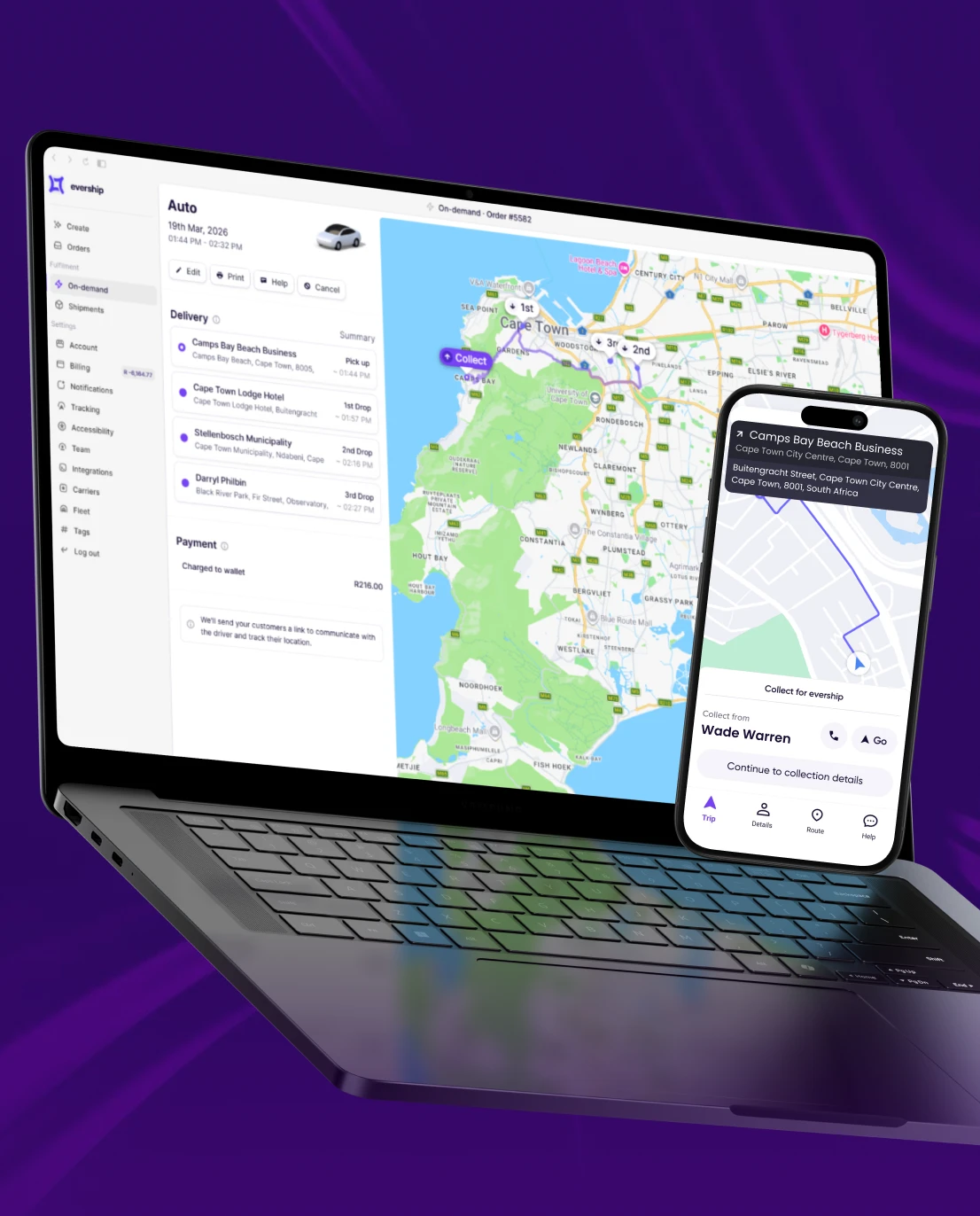
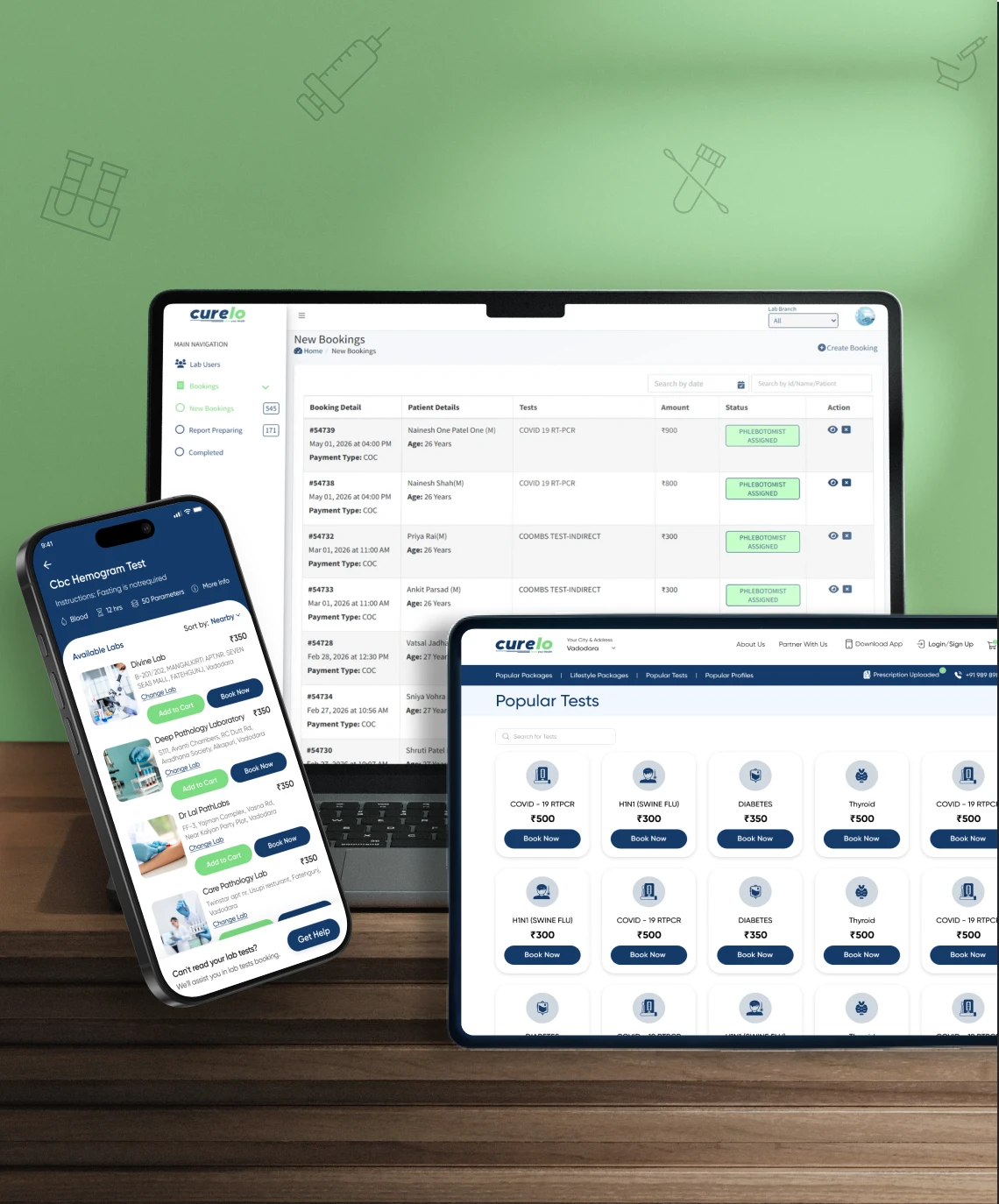
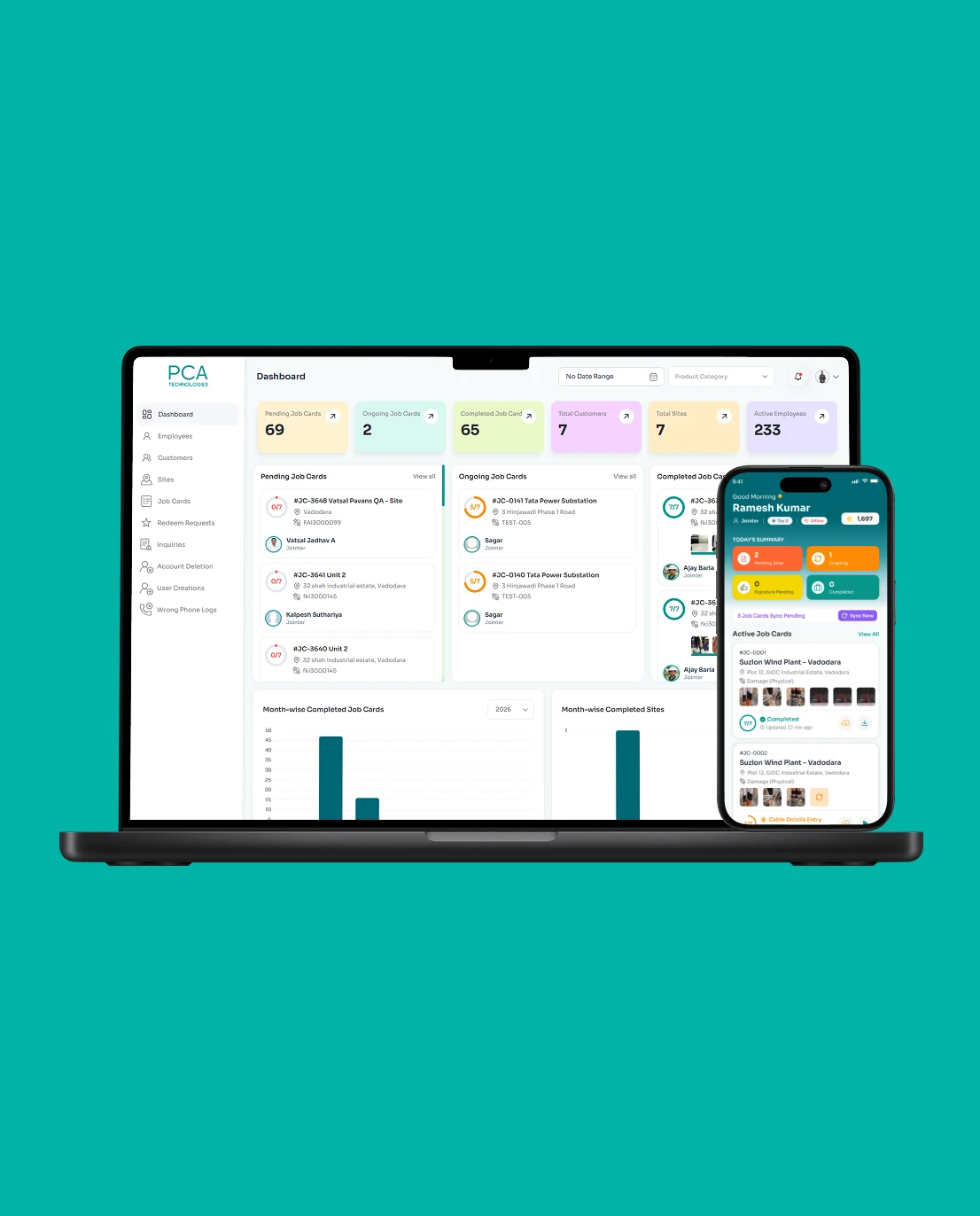
Projects such as Evership, Curelo and PCA demonstrate software where applications, data, mobile experiences and external systems need to work together across wider product workflows.
Pavans Group works across frontend, backend, mobile, APIs, databases, cloud, AI, IoT and QA technologies, allowing system decisions to consider the complete software environment.
Pavans Group is headquartered in Vadodara, Gujarat, India and works with startups, SMEs and enterprises across India and international markets.
A software architect helps define the technical structure of a software system.
Responsibilities can include application architecture, system boundaries, APIs, databases, integrations, scalability, reliability, security, modernization and major technology decisions.
Architecture expertise becomes particularly useful when you are building a complex platform, modernizing legacy software, integrating several systems, preparing for significant product growth or making technical decisions that affect several development teams.
No.
Many smaller or well-understood applications can be architected effectively by experienced senior developers.
A dedicated software-architecture role becomes more valuable when system-wide technical decisions require substantial ongoing attention.
Senior developers can make architectural decisions within the areas they own.
A software architect focuses more broadly on relationships between systems, data, APIs, infrastructure and development teams.
The responsibilities can overlap significantly.
The terminology varies between organizations.
Software architects generally focus deeply on the structure of software applications and systems.
Solution architects may work across a wider business solution involving software, infrastructure, vendors and enterprise platforms.
The actual responsibilities matter more than the job title.
Yes.
Architecture work can help identify which legacy components should be retained, refactored, integrated, migrated or replaced and how those changes can be introduced without unnecessary business disruption.
Yes, but microservices should be introduced only when they address real requirements around boundaries, team ownership, scaling or deployment.
A modular monolith can be a better architecture for many applications.
The decision should follow the product and operational environment.
Yes.
Architecture work can help identify whether performance constraints originate from application structure, APIs, databases, integrations, caching or infrastructure.
The bottleneck should be measured before major architectural change is recommended.
Software architecture can include cloud-related decisions where they affect deployment, availability, performance, scalability and product operation.
Highly specialized cloud infrastructure requirements may also require dedicated cloud or DevOps expertise.
Yes.
Architecture work is often most effective when the architect works closely with the developers responsible for implementing and operating the system.
Architecture should guide engineering decisions without becoming disconnected from implementation.
Yes.
An architecture review can examine system boundaries, APIs, databases, integrations, dependencies, infrastructure and known technical constraints to identify where structural improvements are most valuable.
Depending on the scope, useful outputs can include:
The deliverables should help development teams make better decisions rather than simply create documentation.
Yes.
The decision should consider product complexity, team structure, deployment needs, service boundaries, scalability and operational capability.
Microservices are not automatically the better architecture.
Useful information includes:
You do not need complete documentation simply to begin discussing the architecture.
Cost depends on the architecture scope, system complexity, existing technical environment, modernization requirements and level of ongoing involvement required.
An architecture review for one application requires a different level of effort from ongoing architectural responsibility across a complex software platform.
Yes. Pavans Group is headquartered in Vadodara, Gujarat, India and was established in 2011.
Good architecture does not attempt to predict every future requirement.
It establishes enough structure to solve today's problems clearly while preserving reasonable options for tomorrow.
Start with:
Then decide how the software should be structured.
Whether you are designing a new platform, preparing an existing product for growth, modernizing legacy software or trying to simplify an increasingly difficult architecture, Pavans Group can help connect technical decisions with real product and engineering requirements.
Tell us what you are building, what already exists and which technical decisions are creating the most uncertainty.